Rural and semi-rural properties present unique fencing challenges compared to urban or suburban lots. Property owners need solutions that provide security, define boundaries, contain livestock, and withstand environmental conditions. Choosing the right fence can enhance functionality, aesthetics, and longevity while minimizing maintenance.
Proper planning is essential. Factors like property size, terrain, livestock needs, and local regulations all influence the type of fence that will work best. This guide explores the most durable materials, installation considerations, and maintenance practices for rural and semi-rural properties in British Columbia.
Understanding Rural and Semi-Rural Property Needs
Rural properties often cover large areas with uneven terrain, slopes, or open fields. Semi-rural lots may be smaller but still require fences that account for livestock or wildlife movement, privacy, and security.
Key factors to consider include:
- Property Size and Layout: Larger areas may require longer, reinforced fencing and strategically placed gates.
- Livestock or Wildlife Management: Horses, cattle, or deer may need specialized fencing to prevent escapes or intrusions.
- Privacy and Aesthetic Goals: Homeowners may also want decorative fencing that complements their property.
- Legal and Local Requirements: Local bylaws often dictate fence height, setbacks, or approved materials.
Understanding these needs ensures that the selected fencing solution is practical, compliant, and long-lasting.
Common Fencing Materials for Rural Properties
Chain Link Fencing
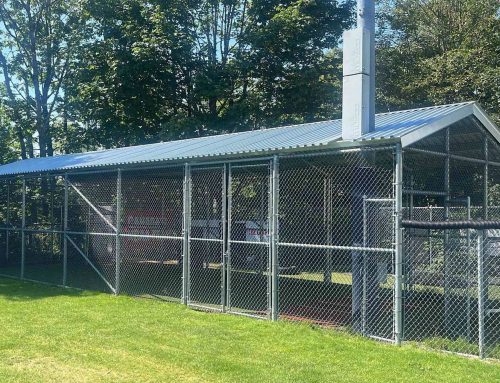
Chain link fencing is a cost-effective and durable option. Its low maintenance and strong mesh make it ideal for property boundaries, security, and livestock containment. Chain link can be customized with vinyl coatings or privacy slats to increase aesthetics and reduce visibility.
Wood Fencing
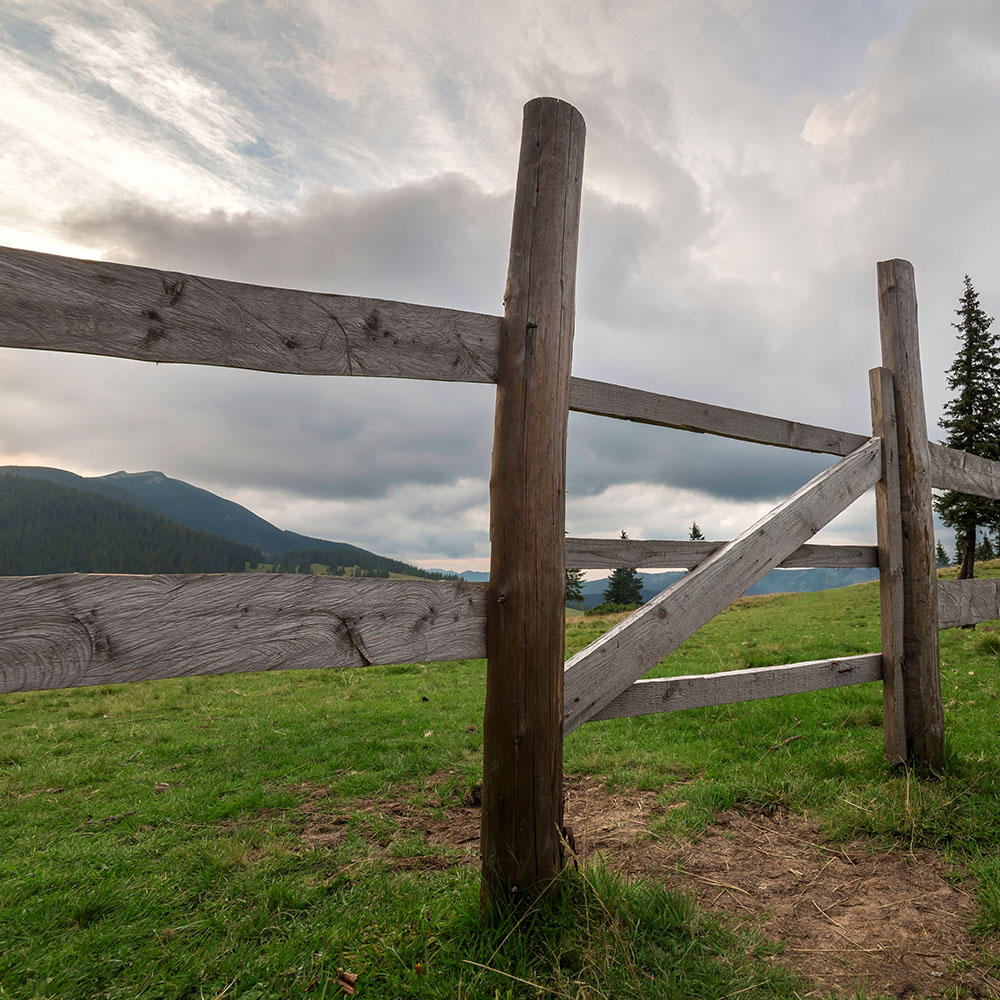
Wood fences provide a natural, traditional look and can be customized to suit different property styles. Common applications include decorative boundaries, paddocks, or garden enclosures. Regular treatment helps protect against rot, insects, and weather damage.
Vinyl Fencing
Vinyl fencing offers a modern, low-maintenance alternative to wood. It is resistant to rot, rust, and harsh weather, making it ideal for semi-rural homes or decorative livestock enclosures. Vinyl fences maintain their appearance over time with minimal upkeep.
Wire and Farm Fencing
Wire fencing is often the most practical for large rural properties. Options include barbed wire, woven wire, and high-tensile fencing. These materials are effective for pastures, horse paddocks, and farmland, providing reliable containment over large areas. Proper tensioning and post installation are critical to durability.
Installation Considerations for Rural Properties
Proper installation ensures a fence remains functional and secure over time. Key considerations include:
- Terrain Adaptation: Slopes, uneven ground, and rocky soil may require custom post placement and bracing.
- Post Installation: Posts must be set deep enough to withstand environmental pressures such as wind or snow loads.
- Gate Placement: Gates should provide easy access for vehicles, equipment, and livestock while maintaining security.
- Environmental Factors: Consider potential flooding, heavy snowfall, or high winds when selecting materials and installation methods.
Professional installation helps avoid future repairs and ensures the fence meets safety and durability standards.
Maintenance Tips for Longevity
Rural fences face constant exposure to weather, vegetation, and livestock stress. Regular maintenance extends their lifespan and preserves functionality.
- Inspection: Check posts, rails, and mesh for damage at least twice a year.
- Seasonal Upkeep: Remove vegetation near fences, adjust tension, and repair minor damage before it worsens.
- Material-Specific Care: Treat wood to prevent rot, inspect vinyl for cracks, and maintain wire fencing tension.
- Gate and Hardware Maintenance: Lubricate hinges, check latches, and ensure smooth operation.
Consistent maintenance reduces repair costs and prevents property security issues.
Choosing the Right Contractor
Hiring a certified and experienced fencing contractor provides several advantages:
- Expertise: Professional contractors assess property conditions and recommend the most suitable materials.
- Quality Installation: Proper post placement, bracing, and tensioning improve fence durability.
- Compliance: Contractors ensure fences meet local regulations, safety codes, and environmental standards.
- Efficiency: Experienced teams complete installations faster and with fewer errors.
A well-installed fence by a trusted contractor delivers long-term performance and reduces ongoing maintenance needs.
Conclusion
Rural and semi-rural properties require fencing solutions that balance functionality, durability, and aesthetics. Understanding property-specific needs, selecting appropriate materials, and ensuring professional installation are essential steps to achieving a secure, long-lasting fence.
From chain link and wire fencing to wood and vinyl options, property owners have multiple solutions to meet their goals. Coupled with regular maintenance and the guidance of an experienced contractor, your fence can protect your property, enhance its appearance, and withstand BC’s challenging environmental conditions for years to come.
Frequently Asked Questions (FAQs)
Yes. Professional contractors ensure proper post placement, bracing, tensioning, and compliance with local regulations. This reduces future repairs and guarantees long-term durability and safety.
Inspect your fence at least twice a year and after major storms. Maintenance includes checking posts, tightening wires, repairing damage, clearing vegetation, and ensuring gates and hardware function properly.
Yes, when installed properly using durable materials and reinforced posts. Wire, vinyl-coated chain link, and treated wood are all designed to handle heavy rain, wind, and snow, especially when maintained regularly.
Posts should typically be set at least 2–3 feet deep, depending on soil conditions, fence height, and local weather. Proper depth and bracing help withstand wind, snow loads, and livestock impact.
Consider your property’s terrain, environmental conditions, and intended use. For livestock or large areas, wire or chain link is ideal. For decorative or residential purposes, vinyl or wood may be more suitable. Local regulations and maintenance requirements should also guide your decision.
Chain link, wood, vinyl, and wire fencing are all effective options. The choice depends on property size, terrain, livestock needs, and desired aesthetics. Chain link and wire are durable and low-maintenance, while wood and vinyl offer enhanced visual appeal.
Related Posts