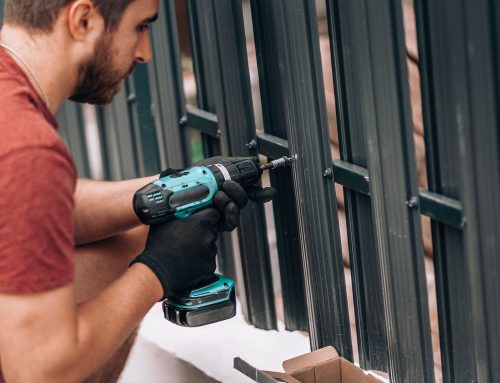
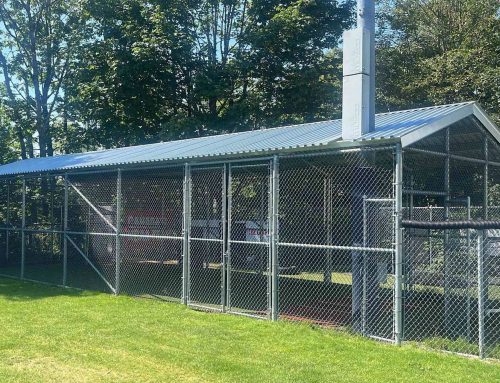
Fencing is essential for mountain and recreational properties, whether you want to define property lines, enhance security, protect wildlife, or improve aesthetics. These properties come with unique challenges, including uneven terrain, extreme weather conditions, and accessibility issues. Choosing the right fencing materials and installation approach is crucial for long-lasting results.
In this guide, we explore the best durable fencing solutions for mountain and recreational properties, installation considerations, and maintenance tips to ensure your fence withstands the elements.
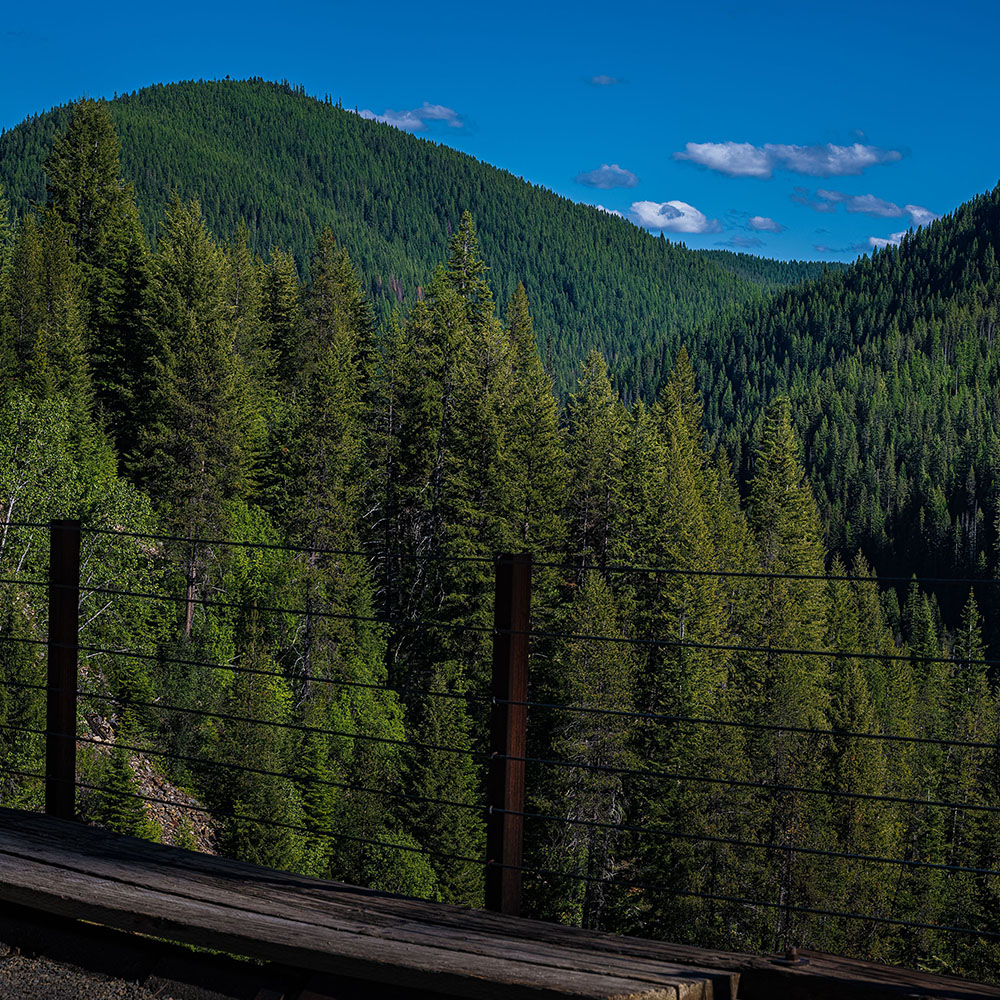
Key Considerations for Mountain and Recreational Fencing
Fencing on mountain or recreational properties requires careful planning to address unique challenges:
- Terrain and Slope – Properties in mountainous areas often feature steep slopes, rocky soil, or uneven ground. Your fencing solution must adapt to these conditions without compromising stability or security.
- Weather Conditions – Rain, wind, snow, and high UV exposure can all impact fence materials. Fences must be able to withstand these extremes to maintain functionality and appearance over time.
- Wildlife and Security – Depending on your location, fencing may need to keep out wildlife such as deer, bears, or smaller animals while providing security for people and property.
- Maintenance Accessibility – Remote or recreational properties can make repairs and routine maintenance more challenging. Choosing low-maintenance materials and planning for easy access is critical.
Best Fencing Materials for Durability
Selecting the right material is key to ensuring your fence lasts for years under challenging conditions. Some of the best options include:
Chain Link Fencing
Chain link is strong, cost-effective, and adaptable to uneven terrain. Its flexibility allows it to follow slopes and irregular ground while providing reliable boundary protection. Chain link is ideal for property lines, trail protection, and recreational sports areas. Adding vinyl coating or privacy slats can enhance durability and aesthetics.
Vinyl Fencing
Vinyl fences are resistant to rot, rust, and environmental damage, making them ideal for wet or coastal mountain areas. They require minimal maintenance and are available in a variety of heights and styles. Vinyl fencing works well for residential cabins, scenic recreational areas, and properties where appearance matters.
Wood Fencing
Wood fences offer a natural appearance that blends with forested or mountainous surroundings. Properly treated wood can be highly durable, but it requires periodic maintenance, such as sealing or staining, to withstand moisture, snow, and UV exposure. Wood fencing is ideal for privacy, aesthetic appeal, and boundary marking.
Ornamental Metal Fencing
Ornamental metal fences, including steel and aluminum options, provide long-lasting strength and security. Powder-coated or galvanized finishes protect against corrosion, making these fences suitable for high-traffic recreational areas, secure facilities, and properties near the coast or high-humidity areas.
Installation Challenges on Mountain and Recreational Properties
Installing fences on mountain or recreational properties comes with specific challenges:
- Sloped and Rocky Terrain – Posts must be anchored securely in uneven or rocky soil. Solutions include custom post holes, reinforced footings, or stepped fencing designs.
- Weather Considerations – Frost heave, snow load, and high winds can impact fence stability. Choosing materials that withstand these conditions and installing proper supports is essential.
- Regulatory Compliance – Local zoning, safety, and environmental regulations may affect fence height, materials, and placement. Consulting local authorities before installation can prevent costly adjustments.
Professional fence contractors experienced with mountain and recreational properties can ensure a safe, durable, and compliant installation.
Maintenance Tips for Longevity
Even the most durable fences require routine maintenance to remain secure and functional:
- Regular Inspections – Check for damage caused by weather, wildlife, or debris. Look for rust, rot, or loose posts.
- Protective Coatings – Apply sealants to wood fences and powder coatings to metal fences to prevent corrosion and decay.
- Snow and Debris Management – Remove snow accumulation and debris near fence lines to reduce stress on posts and rails.
- Prompt Repairs – Address minor issues immediately to prevent more significant damage and costly repairs.
Following these maintenance practices will extend the life of your fence and protect your property in challenging mountain and recreational environments.
Custom Fencing Solutions
Every property is unique, and fencing should be tailored to its specific needs. Custom solutions may include:
- Adjustable Fence Heights – Ensuring the right height for security, privacy, and wildlife control.
- Gates and Access Control – Incorporating swing gates, sliding gates, or secure access points for vehicles and pedestrians.
- Wildlife Barriers – Special mesh or reinforcement to keep animals off the property.
- Seasonal and Long-Term Durability – Materials and designs that account for rain, snow, wind, and UV exposure over time.
Working with an experienced contractor ensures your fencing solution is both functional and visually appealing.
Conclusion
Durable fencing for mountain and recreational properties requires careful consideration of terrain, weather, wildlife, and maintenance needs. Materials such as chain link, vinyl, wood, and ornamental metal provide reliable solutions when properly installed and maintained. Custom design and professional installation ensure your fence protects your property, enhances aesthetics, and stands the test of time.
For homeowners, recreational property owners, and municipalities in BC, consulting a trusted fence contractor with experience in challenging environments is the key to a long-lasting, effective fencing solution.
Frequently Asked Questions (FAQs)
Absolutely. Swing gates, sliding gates, and secure access points can be integrated into custom fencing designs for vehicle and pedestrian entry, without compromising durability or wildlife protection.
Yes. Experienced contractors can address challenges such as steep slopes, rocky soil, and weather exposure, ensuring the fence is stable, durable, and compliant with local regulations.
Vinyl and powder-coated metal are highly resistant to moisture, UV rays, and temperature extremes, making them ideal for mountain or coastal environments. Treated wood can also be used with proper sealing and maintenance.
Regular inspections, prompt repairs, protective coatings for wood or metal, and clearing snow or debris near the fence line are essential. This helps prevent rust, rot, and structural damage from weather exposure.
Yes. Fences can be designed with taller heights, specialized mesh, or reinforced panels to keep out wildlife such as deer, bears, or smaller animals, while maintaining security for people and property.
Slopes and uneven terrain require careful planning. Fences may need stepped designs, reinforced posts, or custom footings to ensure stability and maintain proper height along the property line.
Durable options include chain link, vinyl, wood, and ornamental metal fencing. Chain link is flexible for uneven terrain, vinyl is low-maintenance and weather-resistant, wood blends with natural surroundings, and ornamental metal provides long-term strength.
Related Posts