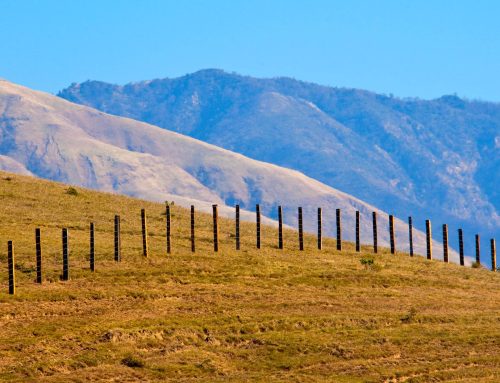
Understanding the Impact of Salt Air on Fences
Living near the ocean comes with many benefits, but salt-laden air can be harsh on structures like fences. Salt accelerates the chemical processes that cause rust, rot, and material deterioration. Metal fences can corrode quickly if not properly protected, wood fences may warp or crack, and even vinyl or composite materials can degrade over time with constant exposure. For homeowners and businesses in Richmond, understanding how salt air interacts with your fencing material is key to ensuring long-term performance and reducing costly repairs.
High humidity and strong coastal winds exacerbate these effects by keeping surfaces damp and constantly depositing salt. Over time, this combination weakens the structural integrity of fencing, loosens fasteners, and causes paint or coatings to peel. Proactive material selection and ongoing maintenance are essential to preserving your fence’s appearance and function in Richmond.
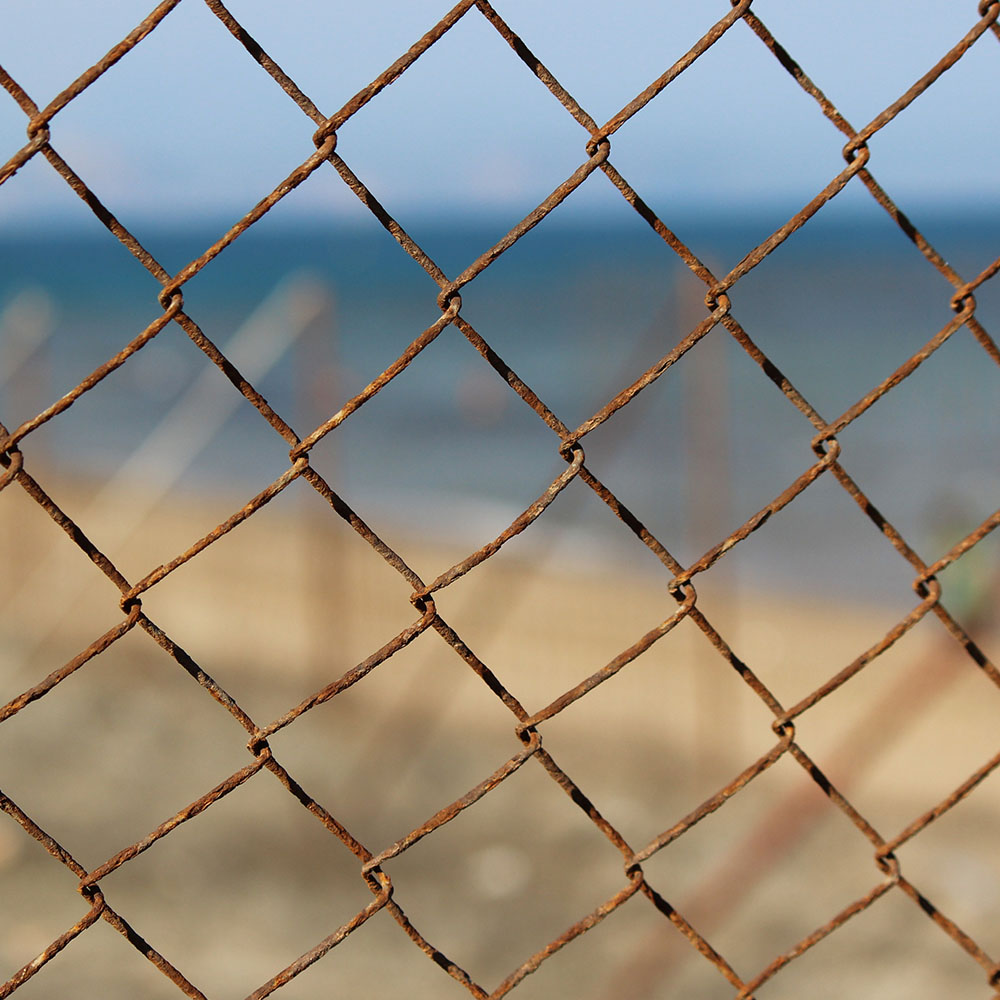
Fencing Materials and Their Salt Air Resistance
Metal Fences
Galvanized Steel
Galvanized steel offers a layer of protection against rust through a zinc coating. While effective, heavy and continuous exposure to salt air can eventually lead to pitting and corrosion. Regular inspections and occasional touch-up coatings can help extend its lifespan.
Aluminum
Aluminum is naturally corrosion-resistant and lightweight, making it one of the best options for coastal properties. It does not rust like steel or iron and requires minimal maintenance, which is ideal for long-term performance in Richmond’s climate.
Wrought Iron or Steel Fencing
While wrought iron is strong and visually striking, it is highly vulnerable to salt air. Protective powder coatings or paint are required, along with periodic maintenance, to prevent rust and ensure structural integrity.
Vinyl and PVC Fences
Vinyl fences resist moisture, do not corrode, and are largely impervious to salt exposure. They retain their visual appeal over time and require minimal upkeep. However, UV exposure and constant salt contact can cause fading or brittleness. Regular cleaning with water and mild detergent, as well as inspections for stress cracks, can help maintain both appearance and strength.
Wood Fences
Untreated wood absorbs moisture and salt, which can lead to warping, cracking, and rot. Pressure-treated wood improves resistance to coastal conditions, and sealing or staining the wood regularly adds another layer of protection. Choosing rot-resistant species such as cedar or redwood further enhances durability in Richmond’s environment.
Composite Fencing
Composite fences combine wood fibers and recycled plastics to offer a low-maintenance, salt-resistant alternative. They are less prone to rot, warping, or corrosion and maintain their structural integrity even in coastal conditions. This makes composite fencing an excellent choice for residential and commercial properties in Richmond.
Maintenance Strategies for Coastal Fences
Even the most durable materials require regular maintenance to withstand salt air. Key steps include:
- Regular Cleaning: Rinse off salt deposits at least twice a year, more frequently after storms or high winds, to prevent buildup and corrosion.
- Protective Coatings: Apply sealants on wood and metal to shield surfaces from salt exposure. Powder-coated metals should be inspected for scratches or peeling.
- Hardware Care: Use stainless steel screws, bolts, and fasteners that resist rust. Inspect connections to ensure they remain secure.
- Seasonal Inspections: Check for rust spots, cracks, or loosening posts and rails. Early detection prevents minor damage from becoming costly repairs.
Design and Installation Recommendations
Proper fence design can minimize the impact of Richmond’s coastal environment:
- Elevate Posts: Setting posts slightly above ground level prevents water and salt accumulation at the base.
- Adequate Drainage: Ensure water does not pool around fence posts, which accelerates rot and corrosion.
- Airflow Considerations: Installing fences with gaps or lattice work allows for airflow, reducing moisture retention and salt buildup.
- Professional Installation: Hiring contractors experienced in coastal installations ensures correct material selection, proper anchoring, and durable construction.
Choosing the Right Fence for Your Property
Selecting the right fencing material and height depends on your property’s exposure to salt air, desired level of privacy, and security needs. Aluminum and vinyl fences are ideal for long-term durability in Richmond, while treated wood and composite fencing can offer a more natural aesthetic without sacrificing resilience. Metal fences require protective coatings and regular maintenance to ensure longevity. Consulting with a professional fencing contractor helps match material choice to your property’s conditions and usage.
Conclusion
Salt air presents a significant challenge for fencing in Richmond, BC, but the right materials, design, and maintenance strategies can protect your investment. Aluminum, vinyl, and composite fences provide excellent resistance to corrosion, while treated wood and coated metals require regular upkeep. Understanding how coastal conditions affect your fence allows you to make informed choices, extend lifespan, and maintain both security and visual appeal. By planning carefully and using expert installation techniques, you can enjoy a long-lasting fence that withstands Richmond’s unique environment.
Recent Richmond Projects


Frequently Asked Questions (FAQs)
Yes. Powder coating, galvanization, or specialized paints create a barrier against salt and moisture, reducing rust and corrosion. Regular touch-ups and inspections help maintain protection.
Composite fencing combines durability and low maintenance, resisting both rot and corrosion. It performs well in Richmond’s salt air and retains its structural integrity and visual appeal over time.
Vinyl is resistant to corrosion and rot, but regular cleaning helps prevent salt buildup, maintain appearance, and extend lifespan. Occasional inspection for cracks or stress points is also recommended.
Yes. Elevating posts, ensuring proper drainage, using corrosion-resistant fasteners, and allowing airflow around the fence can reduce the effects of salt air. Professional installation ensures that these measures are applied correctly.
Fences in coastal areas should be cleaned at least twice a year to remove salt deposits, inspected seasonally for damage, and have protective coatings reapplied as needed. Metal hardware should be checked for rust or loosening regularly.
Untreated wood is prone to absorbing moisture and salt, which can cause warping, cracking, and rot. Pressure-treated wood or naturally rot-resistant species like cedar or redwood are recommended for Richmond’s climate.
Aluminum, vinyl, and composite fences are highly resistant to corrosion and require minimal maintenance. Treated wood and galvanized or powder-coated metals can also perform well if properly maintained.
Salt air accelerates corrosion, rust, and material degradation. Metal fences can rust faster, wood may warp or rot, and even vinyl or composite fences can fade or weaken over time. Proper material selection and maintenance are essential for durability in coastal environments.
Related Posts